

Is a ₦500,000 Laptop Really Twice as Good as a ₦250,000 Laptop? Leave a comment
Introduction
You have ₦500,000 to spend on a laptop.
Then you find another laptop for ₦250,000. It has an SSD, enough RAM for everyday work, a decent processor and looks perfectly fine.
Now you have a problem.
Do you spend the extra ₦250,000 because the more expensive laptop must be better? Or do you save the money and buy the cheaper machine?
This is where laptop shopping in Nigeria becomes confusing. A higher price does not automatically mean you are getting twice the performance. At the same time, choosing the cheaper laptop simply because it saves money today can become an expensive decision later.
The real question is not whether a ₦500,000 laptop is twice as good as a ₦250,000 laptop.
The better question is:
What exactly does the extra ₦250,000 buy you, and will you actually benefit from it?
That is the question worth answering before you spend your money.
A More Expensive Laptop Does Not Automatically Mean Better Value
Laptop prices are determined by more than one specification.
A more expensive laptop may have a newer processor, more RAM, faster storage, a better screen, stronger graphics, better battery life, improved cooling, a stronger build or simply a combination of several of these improvements.
The problem is that not every improvement matters equally to every buyer.
A university student who mainly uses Microsoft Word, Chrome, Zoom and a few school applications may not notice a dramatic difference between a capable ₦250,000 laptop and a ₦500,000 model.
A video editor working with large files, however, may immediately notice the difference.
The same applies to software developers running several applications, architects using demanding design software, accountants working with large spreadsheets, business owners running multiple business applications and gamers who need stronger graphics performance.
This is why buying a laptop based purely on price is a mistake.
You are not buying a price tag. You are buying a tool.
And the value of that tool depends on what you expect it to do.
So What Are You Actually Paying For?
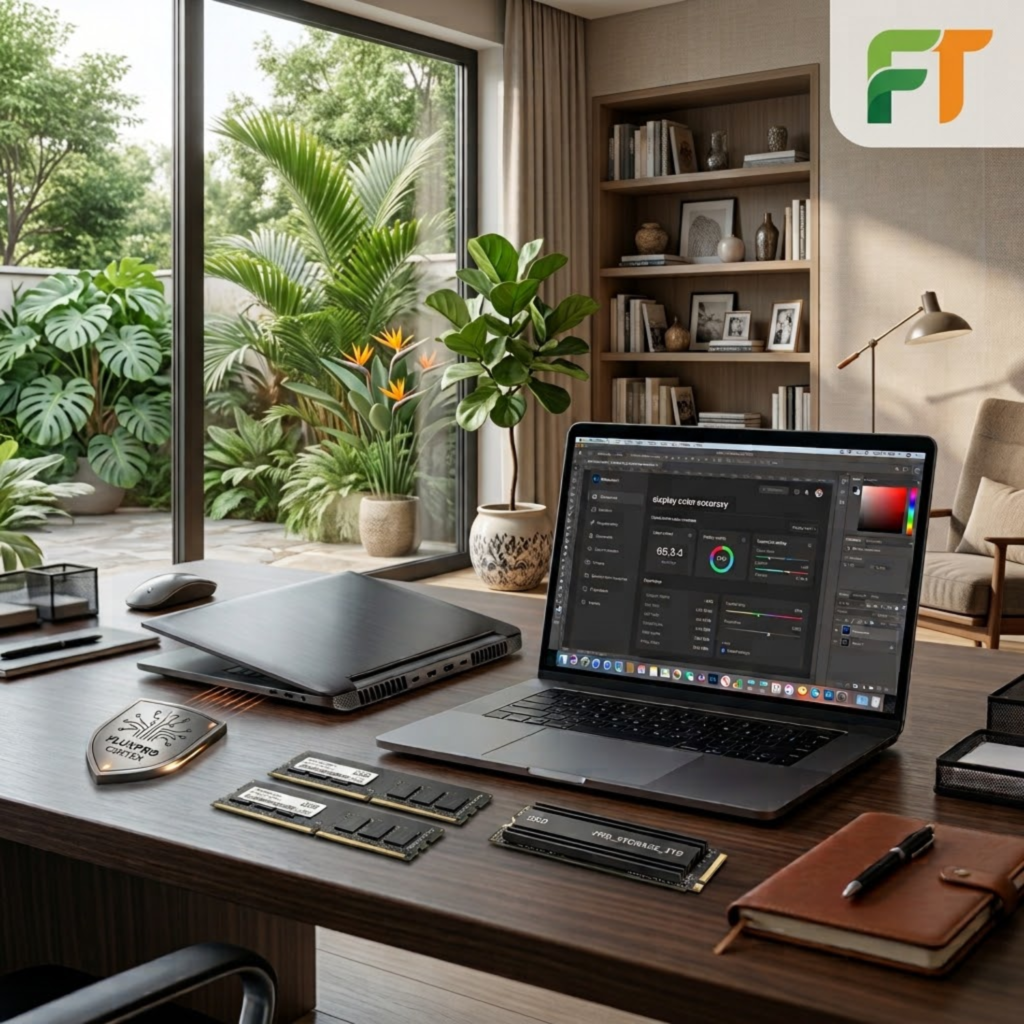
When a laptop costs twice as much as another one, there should be a reason.
Sometimes the difference is obvious. Sometimes it is hidden in areas buyers rarely pay attention to.
Understanding those differences can help you determine whether the additional money is actually buying something useful.
The Processor Can Change the Experience
The processor is one of the first things people look at when comparing laptops, but simply seeing “Core i5” or “Core i7” does not tell the entire story.
Processor generation, architecture, performance level and power efficiency all matter.
A newer midrange processor can sometimes outperform an older high-end processor, which means comparing processor names alone can lead you to the wrong conclusion.
For everyday tasks such as browsing, document creation, email, online classes and basic business applications, you may not need an extremely powerful processor.
But if you regularly edit videos, work with large datasets, run development environments, use engineering applications or multitask heavily, a stronger processor can make a meaningful difference.
The extra money becomes worthwhile when that additional performance solves a real problem you experience.
Before paying more for a laptop, compare the processor generation and performance instead of choosing based only on the processor name.
RAM Matters When Your Work Gets Busy
Imagine having your browser open with twenty tabs, Microsoft Word running, Excel open, WhatsApp or Teams running in the background and another application working at the same time.
This is where RAM becomes important.
A laptop with insufficient RAM can struggle when you start asking it to handle several things simultaneously. You may experience freezing, slow application switching and general frustration.
Moving from 8GB to 16GB can therefore make a noticeable difference for many users.
But more RAM is not automatically better value.
If you only browse the internet, write documents, attend online classes and use lightweight applications, paying a significant premium for huge amounts of RAM may not change your daily experience very much.
The objective is not to buy the biggest number.
The objective is to buy enough RAM for the way you actually work.
Storage Is More Than Just a Number
Storage is another area where buyers can easily get distracted.
Someone sees a laptop with 1TB of storage and immediately assumes it must be better than one with 512GB.
Not necessarily.
The type of storage matters too.
An SSD can make a computer feel considerably faster than an older mechanical hard drive. Your operating system can boot faster, applications can open more quickly and everyday tasks can feel more responsive.
Capacity matters as well.
If you regularly work with videos, photographs, design files, games or large software packages, 256GB can become frustrating surprisingly quickly.
A 512GB or 1TB SSD may therefore be worth paying more for, not because the number looks impressive, but because it gives you the space and speed your work actually requires.
The Screen Can Be Worth More Than You Think
Most people compare laptops by processor, RAM and storage and completely ignore the display.
That is a mistake.
You could spend hours every day staring at your laptop screen. If you are a designer, photographer, video editor, content creator or professional working long hours, the quality of that screen can have a significant effect on your experience.
A more expensive laptop may offer a brighter display, better colour accuracy, higher resolution, better viewing angles or a higher refresh rate.
For someone who spends most of the day writing documents, these improvements may not justify an additional ₦250,000.
For a creative professional, they could be much more important.
The lesson is simple:
Do not pay extra for a feature you do not need, but do not ignore a feature that directly affects the work you do every day.
Build Quality Is Part of the Price
A laptop is not a specification sheet.
You carry it. You open and close it every day. You type on it. You plug things into it. You take it to school, work, meetings, cafés and sometimes across the country.
That means the physical quality of the machine matters.
A more expensive laptop may have a stronger chassis, better hinges, a more comfortable keyboard, a better trackpad and improved overall construction.
These differences may not impress you when you first unbox the laptop.
They can become very noticeable after months or years of daily use.
This is one reason why two laptops with similar specifications can still have very different prices.
You are sometimes paying for the experience and durability of the entire machine, not simply what is written on the specification sheet.
When a ₦250,000 Laptop Is Actually the Smarter Choice

There is nothing inherently wrong with buying a ₦250,000 laptop.
In fact, for some buyers, spending ₦500,000 would simply be unnecessary.
If you are a student who needs a laptop for research, assignments, online classes, presentations and everyday browsing, a capable laptop at a lower price may handle your needs perfectly well.
The same can apply to someone who mainly uses email, Microsoft Office, accounting software, browser-based business tools and video conferencing.
If the cheaper laptop comfortably handles your workload, there is little reason to spend an additional ₦250,000 simply because the more expensive machine has higher specifications.
That extra money may be more useful elsewhere.
You could put it toward a better monitor, storage, power protection, accessories or simply keep it in your pocket.
The goal is not to spend your entire budget. The goal is to get the right computer.
When the ₦500,000 Laptop Starts Making More Sense
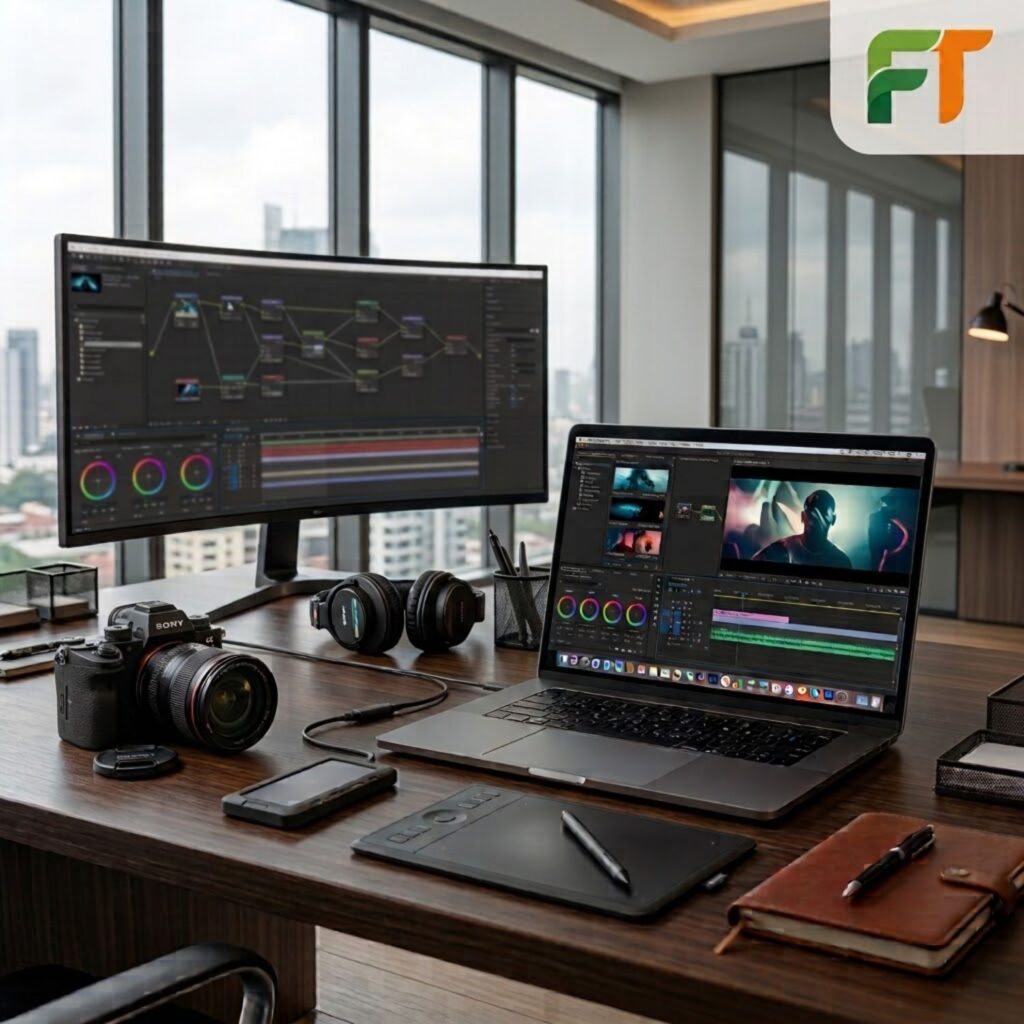
Now consider someone whose laptop is their primary professional tool.
A graphic designer opens large Photoshop files. A video editor works with high-resolution footage. A software developer runs several development tools and virtual environments. An architect uses demanding design applications. A gamer needs dedicated graphics performance.
For these users, the difference between a lower-end and higher-end laptop can become very noticeable.
A more powerful processor can reduce waiting.
Additional RAM can make multitasking smoother.
A better GPU can make demanding graphical workloads possible.
A better cooling system can help maintain performance during heavy workloads.
A larger and faster SSD can reduce storage headaches.
A better display can improve creative work.
A stronger battery can make working away from a power source easier.
This is where the additional money begins to make sense.
You are not paying ₦250,000 extra simply to own a more expensive laptop.
You are paying for capability that solves problems you actually have.
The Nigerian Buyer Has Another Problem: Your Budget Has to Cover More Than the Laptop
There is another mistake people make when setting a laptop budget.
They spend every naira on the computer itself.
Then they remember that they need everything else.
A student may need a mouse, laptop bag, external storage and power protection.
A remote worker may need a monitor, keyboard, mouse and UPS.
A gamer may need a gaming mouse, headset, external monitor and other peripherals.
A business owner may need software, networking equipment, backup storage and power protection.
So if you have ₦500,000 available, ask yourself whether you really want to spend all ₦500,000 on the laptop.
Sometimes a ₦400,000 laptop combined with the right accessories will give you a much better overall setup than a ₦500,000 laptop sitting alone on a desk.
This is particularly important in Nigeria, where reliable power and connectivity can affect how useful your technology is.
The Cheapest Laptop Can Become the Most Expensive One

Saving money today does not always mean saving money overall.
Imagine buying a ₦250,000 laptop because it is enough for what you currently do.
Six months later, your business grows.
You start using heavier software.
You need more storage.
You begin multitasking more.
The laptop starts struggling.
Eventually, you begin thinking about buying another computer.
That original ₦250,000 purchase may not have been a bargain if it was never capable of handling the workload you were moving toward.
This does not mean everyone should buy the most powerful laptop they can afford.
It means you should consider how your needs could change.
There is a difference between buying a laptop for today and buying a laptop that can comfortably handle the next few years of your work.
But “Future-Proofing” Can Also Waste Your Money
There is another side to this.
Some buyers hear the phrase “future-proof” and use it as an excuse to spend more than they need.
A student buys a powerful gaming laptop because they think they might become a gamer.
Someone who only uses Microsoft Word buys a machine designed for heavy professional workloads.
A small business buys extremely powerful computers even though employees spend most of their time using browser-based applications.
That is not future-proofing.
That is overbuying.
Technology changes quickly. There is no guarantee that buying the most powerful laptop today will make it relevant for every future need.
Instead, buy enough performance to handle your current workload comfortably, with reasonable room for growth.
What Should Different Buyers Prioritise?
There is no universal “best laptop” because different people have different workloads.
Students
Students should generally pay attention to portability, battery life, reliability, storage, adequate RAM and a comfortable keyboard.
But the course matters.
A student studying English may have very different requirements from an engineering, architecture, computer science or media student.
Do not let someone sell you a specification simply because it sounds impressive.
Office Workers
For office work, a reliable processor, sufficient RAM, SSD storage, good battery life and a comfortable keyboard can matter more than having the highest possible graphics performance.
If your daily work involves documents, spreadsheets, emails, browser applications and video meetings, you need a laptop optimised for productivity.
Business Owners
Business owners should think about reliability and total cost of ownership.
A laptop that saves ₦100,000 today but regularly causes downtime may cost more in lost productivity later.
Durability, warranty, repairability, security and performance should therefore form part of the buying decision.
Creatives
Designers, photographers, video editors and other creative professionals need to pay closer attention to display quality, colour accuracy, RAM, processor performance, graphics performance and storage.
A laptop can have impressive specifications and still be a poor choice for creative work if the display is inadequate.
Gamers
Gamers should pay particular attention to the GPU, processor, cooling system, RAM, storage and display refresh rate.
Do not allow a large storage number or flashy design to distract you from the hardware that actually determines gaming performance.
So, Is the ₦500,000 Laptop Twice as Good?
Not necessarily.
It could be significantly better in the areas that matter to you.
It could also be unnecessarily powerful for what you do.
The ₦250,000 laptop could be the smarter purchase if it already handles your workload comfortably.
The ₦500,000 laptop could be the smarter purchase if the additional investment gives you performance, reliability, display quality, graphics capability, battery life or durability that you genuinely need.
That is why comparing the two laptops by price alone is almost useless.
Instead, compare what each laptop allows you to do.
Ask yourself:
What am I buying this laptop for?
What software will I use?
How demanding is my workload?
How long do I expect to keep the laptop?
Will I need to upgrade it later?
What other accessories do I need?
What happens if my workload becomes more demanding next year?
Once you answer those questions, your budget becomes much easier to understand.
The Right Laptop Is Not the Most Expensive Laptop

The smartest laptop buyer is not necessarily the person who spends the most money.
It is the person who understands what they need and refuses to pay for things they will never use.
Sometimes that means buying the ₦250,000 laptop.
Sometimes it means stretching the budget to ₦500,000.
And sometimes it means finding something in between.
The important thing is to understand why you are spending the money.
Because the goal is not to own the most expensive laptop you can afford.
The goal is to own a laptop that works properly for your life, your business, your education or your career without leaving you with unnecessary expenses.
