
Home Computer vs Business Computer: What Business Owners Need to Know Leave a comment
Introduction
For many Nigerian business owners, a computer is simply a computer. If it turns on, opens Microsoft Word, and connects to the internet, it should be good enough for work, right?
Not exactly.
The mistake many businesses make is using computers designed for casual home use to handle the demands of a professional working environment. At first, everything seems fine. Staff can send emails, browse the web, and create documents. But as the business grows, cracks begin to show: slow performance, security concerns, hardware failures, and productivity losses that quietly cost money every day.
The truth is that there is a significant difference between a home computer and a proper business computer. Understanding that difference could save your business time, money, and unnecessary frustration.
What Is a Home Computer?
A home computer is built for personal use. Manufacturers design these systems with affordability and everyday convenience in mind.
Typical home computer tasks include:
- Browsing the internet
- Streaming movies and videos
- Online learning
- Social media
- Personal documents
- Basic office work
For these activities, a home PC performs adequately. It is not expected to run intensive business applications for eight to ten hours every day.
Most home users can tolerate occasional slowdowns or even unexpected restarts. For a business, however, every minute of downtime comes with a cost.
What is a Business Computer

A business computer is designed specifically for professional environments where reliability, security, and long-term performance matter.
Whether it is used by an accountant, receptionist, school administrator, hospital staff member, or small business owner, a business PC is built to handle consistent workloads throughout the working day.
Business systems are typically designed with:
Better build quality
Enhanced security features
More reliable components
Longer manufacturer support
Easier maintenance and upgrades
Improved multitasking performance
The goal is simple: minimise disruptions and maximise productivity.
Click here to shop on the best deals now on Computers
1: Reliability Matters More in Business
Imagine a student writing an assignment at home.
If the laptop freezes, it is annoying.
Now imagine a cashier processing payments during a busy afternoon or a receptionist checking in customers.
If the computer freezes, business stops.
Business-grade systems are built to withstand continuous daily operation. Components such as cooling systems, power supplies, motherboards, and storage drives are typically selected with durability in mind.
For organisations that depend on technology every day, reliability is not a luxury. It is a necessity.
2: Security Is a Bigger Concern
Home computers usually contain personal information such as photos, emails, and social media accounts.
Business computers often contain:
Customer records
Financial data
Employee information
Sales reports
Contracts
Confidential business documents
A security breach can have serious consequences.
Many business-grade computers include additional security features that are rarely found on entry-level consumer devices, including:
Advanced encryption support
Enhanced BIOS security
TPM security chips
Enterprise management tools
Improved access controls
For businesses managing sensitive information, these features provide an important layer of protection.
3: Performance Under Daily Workloads
Many business owners underestimate how much work their computers perform each day.
A typical office computer may be running:
Accounting software
Multiple browser tabs
Email applications
Microsoft Office
Business management software
Cloud storage services
Printing and scanning operations
All at the same time.
A consumer-grade computer may handle these tasks initially, but performance often declines as software updates accumulate and workloads increase.
Business computers are generally configured to handle sustained multitasking more effectively, resulting in fewer slowdowns and a smoother experience for staff.
4: Business Computers Are Easier to Upgrade
Businesses evolve.
A company with three employees today may have ten employees next year.
Technology requirements change as well.
Many business desktops are designed to allow upgrades such as:
Additional RAM
Larger SSD storage
Dedicated graphics solutions
Networking components
This flexibility means the computer can grow alongside the business rather than needing complete replacement after a short period.
From a financial perspective, that can significantly reduce long-term technology costs.
5: The Real Cost Isn’t the Purchase Price
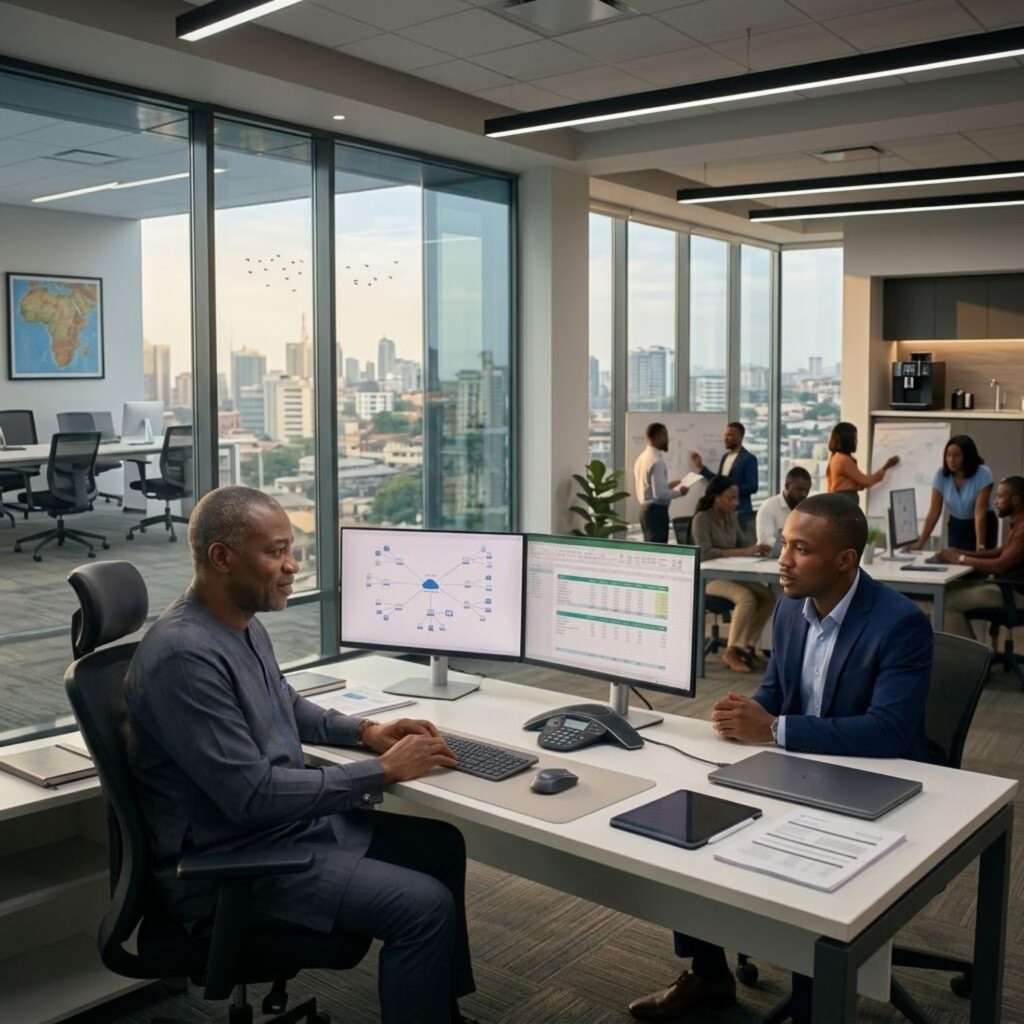
One of the biggest mistakes businesses make is evaluating computers based solely on their initial price.
Consider two scenarios:
Option A
Buy a cheaper home computer for ₦350,000.
Option B
Invest in a business-class computer for ₦550,000.
At first glance, Option A appears to save ₦200,000.
However, what happens if:
Employees lose hours due to slow performance?
The system crashes frequently?
Hardware fails unexpectedly?
Security problems arise?
The device needs replacement much sooner?
Suddenly, the cheaper option becomes the more expensive decision.
Smart businesses focus on total cost of ownership rather than purchase price alone.
Visit us now to shop on our plethora of business and home computers tailored to your needs Today
Warning Signs Your Business Is Using the Wrong Computer
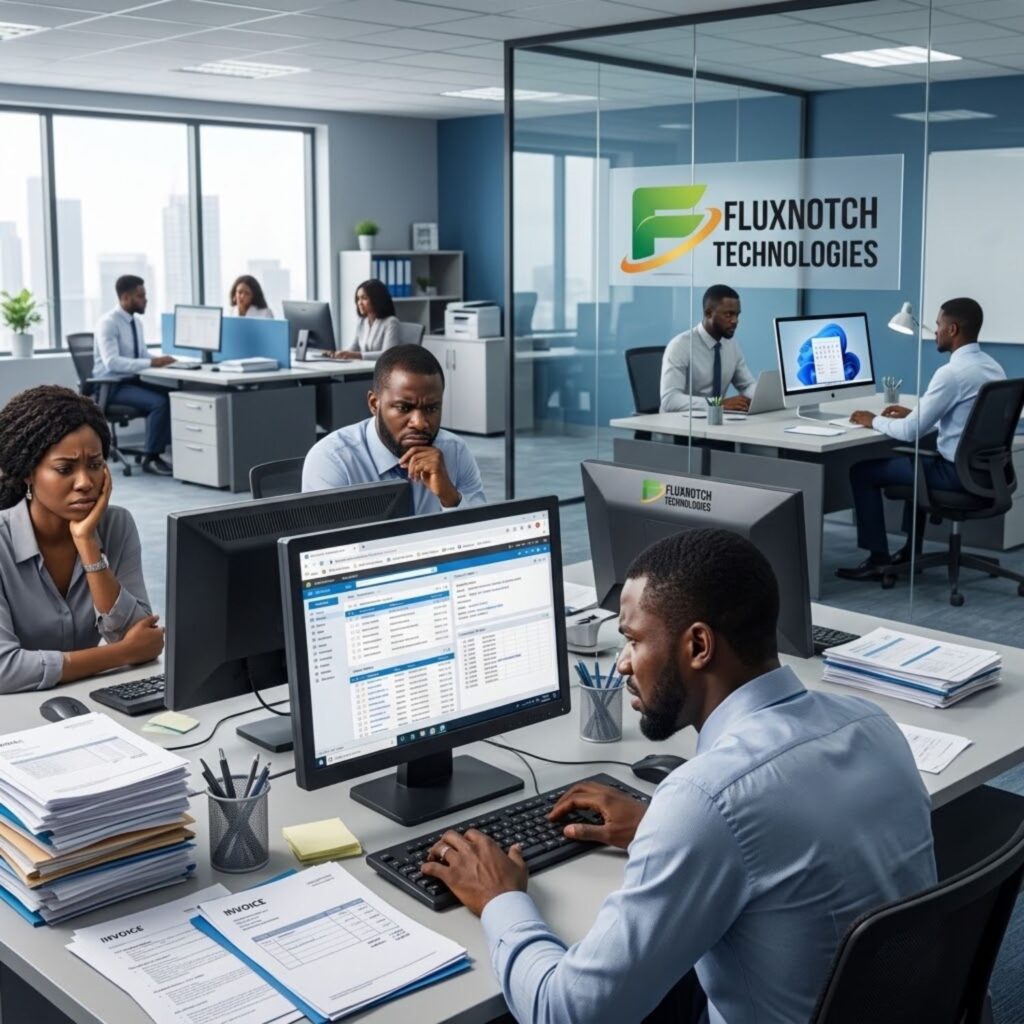
You may need an upgrade if your office experiences any of the following:
Computers take several minutes to start up
Staff complain about slow performance
Applications frequently freeze
Employees avoid certain machines because they are unreliable
Large files take too long to open
The system struggles with everyday multitasking
Hardware failures occur regularly
These are often signs that a system designed for casual personal use is being pushed beyond its intended purpose.
What Should Nigerian Businesses Buy Instead?
The right solution depends on the nature of the business and the workload involved.
Generally, small and medium-sized businesses should look for professional-grade systems such as:
HP ProDesk Series
HP EliteDesk Series
Dell OptiPlex Series
Lenovo ThinkCentre Series
Business-class laptops for mobile teams
The goal is not to buy the most expensive computer available.
The goal is to buy equipment designed to support business operations reliably and efficiently.
A trusted technology partner can help identify the right specifications based on your organisation’s actual needs rather than selling unnecessary hardware.
Click here to shop now on huge deals and discounts on computers today!!
The Bottom Line
A home computer and a business computer may look similar on the outside, but they are built for very different purposes.
Home PCs are designed for casual personal use. Business computers are designed for reliability, security, scalability, and productivity.
For Nigerian businesses, choosing the right computer is about more than hardware specifications. It is about ensuring employees can work efficiently, customer service remains uninterrupted, and operations continue running smoothly.
The cheapest computer is not always the most cost-effective choice.
In business, the best technology investment is often the one that helps your team work smarter, faster, and with fewer interruptions.
Need Help Choosing the Right Business Computer?
Whether you’re equipping a startup, upgrading office systems, or replacing ageing hardware, Fluxnotch Technologies can help you select reliable business-grade computers tailored to your operational needs and budget.
Visit Fluxnotch Technologies today for expert advice, genuine products, and professional IT solutions designed for growing Nigerian businesses.
