
New Phone or Last Year’s Premium Phone: Which Is Worth Your Money? Leave a comment
Introduction
Every time a new smartphone launches, the excitement is almost predictable. There is a new camera system, a faster processor, an improved display, fresh AI features and a redesigned exterior. Suddenly, the phone you bought last year doesn’t feel quite as exciting anymore. But before you rush to spend hundreds of thousands of naira on the latest release, there’s another option worth considering: last year’s flagship.
Here’s why this decision deserves more attention. A flagship smartphone was designed to deliver premium performance, excellent cameras, superior displays and a refined user experience. Even after a new generation arrives, many of those capabilities remain relevant. In fact, depending on the price difference, last year’s flagship could offer more value than the latest model. On the other hand, buying the newest phone gives you access to newer hardware, a fresh battery, longer potential software support and a full warranty.
So, which one should you actually buy? Should you spend more to own the latest smartphone, or save money by choosing a previous-generation flagship? The answer depends on what you need, how much you’re willing to spend and how long you intend to use the device. Let’s break down what really matters before making that purchase.
1. The Price Difference: Are You Paying for Better Technology or Just a New Release?
One of the biggest attractions of buying last year’s flagship is the potential savings. When a new flagship launches, its predecessor may become less expensive as retailers adjust prices and clear existing inventory. This creates an opportunity for buyers who want premium smartphone features without paying the original launch price.
However, a lower price doesn’t automatically make an older phone a better deal. Some retailers may still sell previous-generation models at prices that are too close to the latest release. Others may advertise attractive prices on used or refurbished units without making their condition sufficiently clear. If you spend almost as much on an older model as you would on a brand-new release, you need to ask whether the savings are actually worth it.
The smarter approach is to compare the actual selling prices of both phones, using the same storage capacity and comparable purchase conditions. Consider the seller, warranty, device condition and any additional costs. Don’t compare an older phone’s discounted price with the latest phone’s original launch price. Compare what you would actually pay today.
The takeaway: Last year’s flagship becomes attractive when the price reduction is meaningful and you’re not sacrificing something important to get it.
CLICK HERE TO SHOP ON THE LATEST RELEASES ON SMARTPHONES TODAY!
2. Performance: Does Last Year’s Flagship Still Have Enough Power?
Many buyers believe that once a newer smartphone launches, the previous generation automatically becomes outdated. This assumption can lead to unnecessary spending, especially when the older phone still has more than enough processing power for everyday activities.
Flagship smartphones are built to handle demanding workloads. They often feature powerful processors, advanced graphics capabilities and better performance optimisation than many entry-level and midrange devices. Whether you’re switching between multiple applications, editing videos, playing demanding mobile games or managing business activities, a previous-generation flagship can still deliver an excellent experience. For many everyday users, the difference between two consecutive flagship generations may not be noticeable during normal use.
However, newer processors can bring improvements in power efficiency, graphics performance, AI processing and sustained performance. If you regularly play demanding games, edit large video files, or use applications that benefit from the latest hardware, those improvements may be worth paying for. The key is to identify whether the newer processor solves a problem you actually experience.
The takeaway: Don’t buy the latest phone simply because its processor has a newer name. Buy it when the performance improvement makes a meaningful difference to your daily activities.
CLICK HERE TO SHOP FOR THE BEST DEALS ON SMARTPHONES TODAY!!
3. Camera Quality: Is the Latest Smartphone Really Better for Photography?

Smartphone cameras are among the biggest reasons people upgrade. Manufacturers regularly introduce improved sensors, advanced image processing, better zoom capabilities and new video features. For photography enthusiasts and content creators, these improvements can be important.
But here’s something worth considering: last year’s flagship already had a premium camera system when it launched. Its main camera, telephoto lens, image stabilisation and video recording capabilities don’t suddenly become poor because a newer model is available. In many cases, an older flagship can still outperform a newer midrange smartphone in photography, particularly when it comes to low-light images, optical zoom and video stabilisation.
That said, you shouldn’t assume every older flagship has a better camera than every new phone. The latest generation may introduce improved low-light processing, better autofocus, more capable video recording or a genuinely useful camera feature. You also need to consider software updates, because camera processing can improve or change over time.
Before buying, compare actual camera samples rather than relying entirely on megapixel counts or marketing claims. Look at photographs taken during the day, indoors and at night. Check video stabilisation, portrait quality and zoom performance. If you’re a content creator, pay particular attention to the features you use regularly.
The takeaway: If photography is your priority, a previous-generation flagship may give you excellent camera quality for less. But compare real-world results before making your decision.
4. Battery Life and Charging: The Newer Phone May Have an Advantage
Battery performance is one area where buying the latest smartphone can make practical sense. Newer models may introduce improvements in battery efficiency, charging technology and power management. These changes can make everyday use more convenient, especially if you’re constantly browsing, streaming, taking pictures or using multiple applications.
Last year’s flagship may still have excellent battery performance, but you need to consider its condition. If the phone has been used for a year or longer, its battery may have experienced some capacity loss. This becomes particularly important when purchasing a UK-used, refurbished or previously activated device. A phone can look almost new on the outside while its battery has already experienced significant wear.
A brand-new older flagship is a different situation. If it is genuinely unused, properly stored and has an intact warranty, its battery condition may be much closer to that of a new device. However, sealed packaging alone should not replace proper checks on activation status, warranty and seller reliability.
For Nigerian buyers, battery performance deserves serious consideration. Between commuting, unreliable power supply and spending long hours away from charging points, a phone that comfortably lasts through the day can make a significant difference. Compare battery endurance, charging speed and battery condition rather than simply looking at the capacity printed on the specification sheet.
The takeaway: Choose the newer phone if it offers a meaningful improvement in battery life or charging. If you’re considering last year’s flagship, verify its battery condition, especially when buying a used device.
5. Software Updates and Security: How Long Will Your Phone Remain Supported?
A smartphone isn’t just its hardware. The software running on it determines how it performs, which features it supports and how well it remains protected against security threats. This is one of the most important considerations when comparing the latest phone with last year’s flagship.
A newer smartphone generally begins its ownership journey with a longer potential software support period ahead of it. This can be valuable if you intend to keep your phone for several years. Last year’s flagship, however, has already used up part of its support period. Depending on the manufacturer’s policy, it may have fewer major operating system upgrades and security updates remaining.
But don’t assume every smartphone from the same manufacturer receives identical support. Update commitments differ between models, and delivery schedules can vary by region and network operator. Some manufacturers now offer extended support on selected devices, so an older flagship may still have several years of useful software support remaining.
Before purchasing, check the manufacturer’s official update policy for the exact model. Find out how many operating system upgrades and security updates it is expected to receive, and consider how long you plan to keep the device. A phone that performs exceptionally well today may become a less attractive purchase if its security support is close to ending.
The takeaway: If you intend to keep your smartphone for a long time, compare its remaining software support before comparing its camera or processor. A newer phone may offer better long-term value even when its hardware improvements appear small.
6. Build Quality and Premium Features: What Are You Getting for Your Money?
One reason flagship smartphones remain attractive is the attention manufacturers give to their construction and overall user experience. Premium models often feature stronger materials, more sophisticated displays, better camera systems, advanced water and dust resistance, wireless charging and other features that may be missing from cheaper devices.
When you buy last year’s flagship, you’re still getting much of the premium engineering that made it expensive when it was released. Its display may still offer excellent brightness and colour reproduction. Its speakers may deliver better sound, and its construction may feel more refined than that of a newer phone positioned below the flagship category.
However, the latest release may introduce improvements in durability, display brightness, screen protection, connectivity and other everyday conveniences. Some newer models may also offer features that their predecessors lacked entirely. Whether those changes justify the price depends on how useful they are to you.
Think about the features you genuinely appreciate. Do you regularly use wireless charging? Is water resistance important to your lifestyle? Do you need a particularly bright display for outdoor use? If the previous flagship already meets those needs, paying extra for minor refinements may not be necessary.
The takeaway: Don’t underestimate last year’s flagship simply because it is no longer the newest model. Premium build quality and hardware can remain valuable long after a new generation arrives.
7. Warranty, Condition and Reliability: The Risk You Shouldn’t Ignore
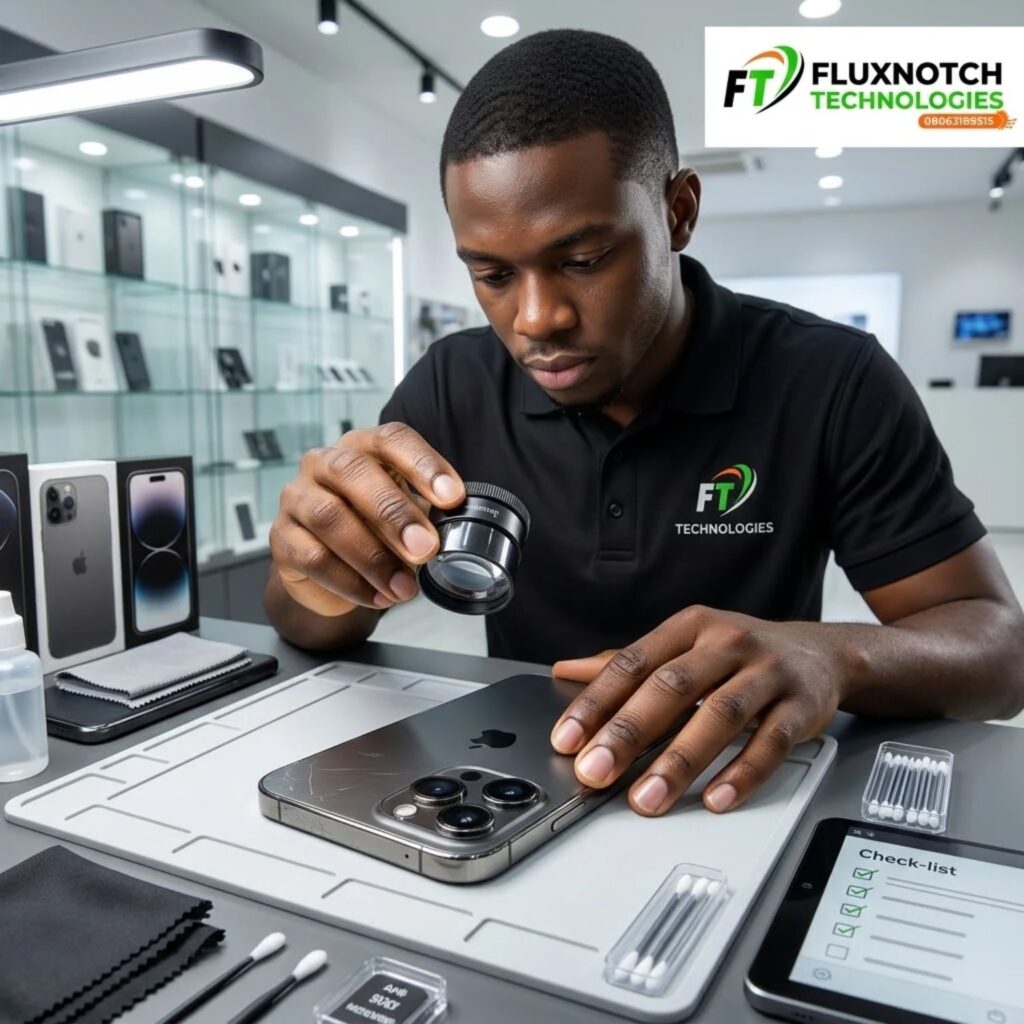
This is where many smartphone buyers make expensive mistakes. They see a previous-generation flagship selling for considerably less and immediately assume they’ve found a bargain. But they sometimes overlook whether the device is brand-new, UK-used, refurbished, previously repaired or simply old stock.
These categories are not interchangeable. A brand-new, sealed previous-generation flagship can be an excellent purchase when it comes from a trustworthy retailer and has a verifiable warranty. A UK-used phone may offer similar premium features for less, but its battery health, screen condition, repair history and general performance need closer inspection. A refurbished device should also come with clear information about what has been tested or replaced.
Buying the latest smartphone can reduce some of these uncertainties because you’re more likely to receive a fresh device with a full manufacturer’s warranty. However, even new devices should be purchased from reliable sellers with clear return and warranty policies.
Before paying for an older flagship, confirm its IMEI and activation status, inspect the display and cameras, test the charging port, speakers, microphones and buttons, and check the battery condition where the manufacturer provides that information. Also confirm that the model supports the network bands and services you need in Nigeria. If you’re buying a used or imported device, don’t assume that every regional variant is identical.
The takeaway: A cheap flagship is not automatically a smart purchase. The device’s condition, warranty, seller reliability and regional compatibility matter just as much as its specifications.
8. So, Which Should You Buy: The Latest Phone or Last Year’s Flagship?
By now, you can probably see that neither option is automatically superior. The latest smartphone offers the advantage of newer hardware, a fresh battery, more potential software support and a new-device warranty. Last year’s flagship can offer premium cameras, powerful performance, sophisticated displays and excellent build quality at a more attractive price.
The right decision comes down to your priorities. If you want the longest possible support period, the latest battery technology, new features and the reassurance of buying a current-generation device, the latest phone may be worth the extra money. This is particularly true when the price difference between the two models is relatively small.
On the other hand, if you’re looking for premium performance without paying the highest launch price, last year’s flagship deserves serious consideration. It can be an especially smart choice when the price reduction is substantial, the device is in excellent condition and its remaining software support suits your ownership plans.
Here’s a simple way to think about it:
- Choose the latest phone if you prioritise newer technology, longer potential software support, a fresh battery and a full warranty.
- Choose last year’s flagship if you want premium hardware, strong cameras, excellent performance and meaningful savings.
- Take more time to compare if the older phone has questionable battery health, unclear warranty coverage, limited software support or an unusually small price advantage.
Ultimately, compare the exact models rather than buying based on their release years. A well-priced previous-generation flagship can be a better purchase than a newer phone that offers little improvement in the areas you care about.
Conclusion: Buy the Phone That Gives You More Value, Not Just the Newest Name
The excitement surrounding a new smartphone launch can make it tempting to upgrade immediately. But smart buying requires more than following release dates and comparing specification sheets. You need to understand what you’re paying for, which improvements genuinely matter and whether the extra money will improve your everyday experience.
Last year’s flagship is not an outdated phone simply because another model has taken its place. Equally, the latest smartphone isn’t a waste of money if its improvements solve problems that matter to you. The best purchase is the one that balances performance, camera quality, battery life, software support, reliability and price.
At FluxNotch Technologies, we believe your next smartphone should be a purchase you feel confident about long after the excitement of unboxing has passed. Whether you’re considering the latest release or a previous-generation flagship, take the time to compare your options and choose what delivers the most value for your money.
Explore smartphones at FluxNotch and find the right device for your needs, lifestyle and budget.
